TLDR
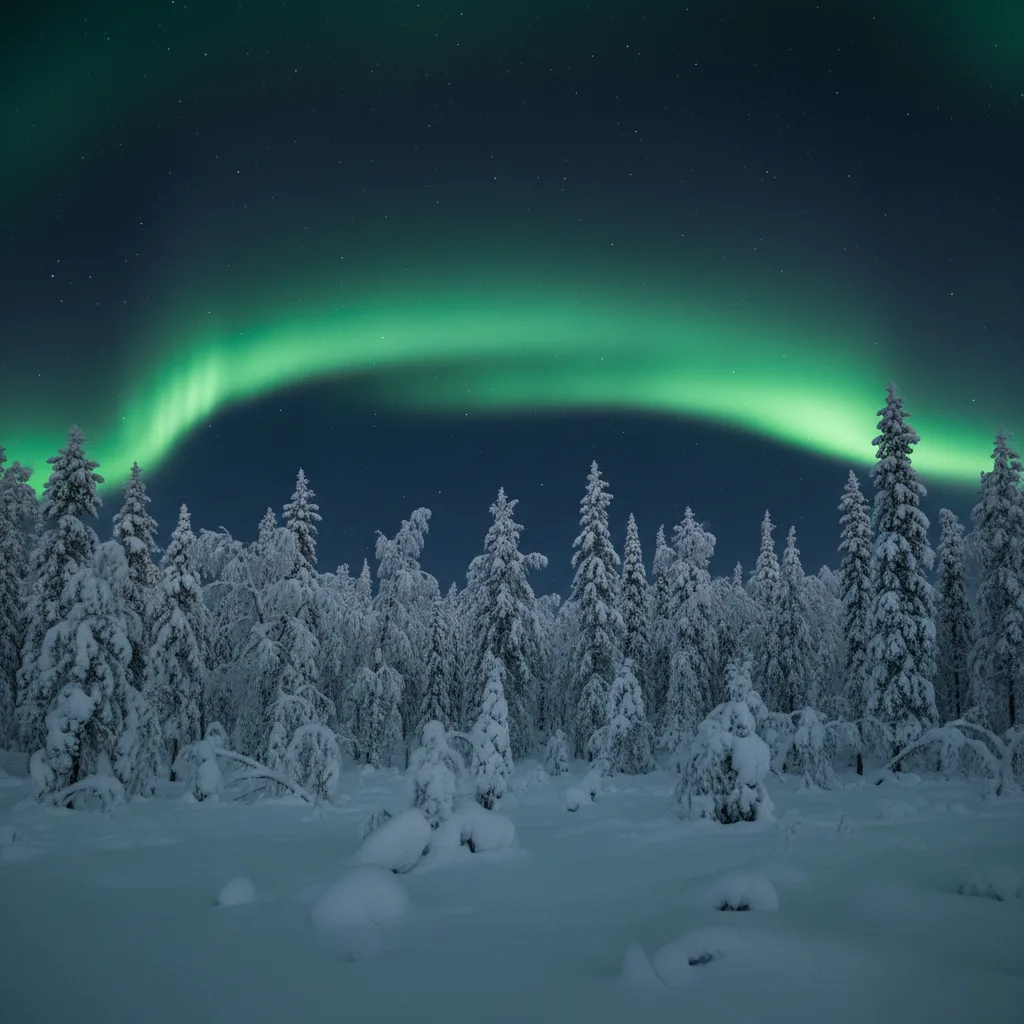
The best time to see the northern lights in Alaska is between mid-September and late March. If you can only pick one month, pick March: full darkness, steadier weather, and temperatures cold but not extreme. November through February offers peak darkness and peak cold. Late August through mid-September works for southcentral Alaska. Summer is off-season.
Insider Tip
Book three consecutive nights in one area, not one-night stops spread across Alaska. Aurora odds are a function of time spent awake under a dark sky, not how many places you visit. Two nights drops you toward a coin flip.
Alaska’s aurora season has one simple rule: the state needs to be dark for you to see the lights. Above the 60th parallel the sky does not fully darken between mid-May and early August, so even strong geomagnetic activity is invisible during summer. The working season runs roughly late August through mid-April, with real viewing concentrated between mid-September and late March. This guide walks through the season month by month, then explains how to think about latitude, weather, and solar cycle within that window.
Month by month: when the aurora is actually visible
Aurora activity itself does not follow the calendar. What follows the calendar is darkness and weather. Here is the practical guide to planning an Alaska aurora trip.
- Late August to mid-September. The earliest realistic window. Interior Alaska still has pale twilight until midnight in the first two weeks of September, but Anchorage and the Chugach sit usable. Weather is mild, fall color runs through the third week of September, and the autumn equinox is historically one of the most geomagnetically active periods of the year.
- Mid-September to mid-October. The interior opens up. Fairbanks sees its first truly dark nights. Roads are clear of deep snow, fall colors are still visible in the first two weeks, and temperatures sit in a usable range of 20 to 40 degrees Fahrenheit. For a first aurora trip, this is the easiest shoulder to plan.
- November to December. Deep cold settles in. Fairbanks runs well below zero on most clear nights, and Coldfoot can drop to minus 40. The trade-off is worth knowing: cold air holds less moisture, so the clearest nights are usually the coldest ones. If you can dress for it, odds go up.
- January to February. Peak winter. Shortest days, longest viewing windows, coldest temperatures. Dog mushing season begins and many travelers pair aurora nights with a day of kennel visits or a sled tour. Expect temperature ranges from minus 10 to minus 40 Fahrenheit in the interior. Excellent odds if you are equipped for it.
- March. Often the single best month. Still plenty of darkness, weather is clearing, and temperatures climb into the single digits and low teens. Locals frequently recommend March as the month to bring first-time visitors. The sun angle also sets up good photography light for daytime activities.
- April. The closing window. The aurora is still visible in the last two hours of true darkness, usually after midnight, but darkness is shrinking fast. Rates drop, crowds drop, and weather continues to improve. Good value if you can time your arrival for the first two weeks.
- May to mid-August. Off-season. Do not plan an aurora trip in Alaska during summer. Come for Denali, Kenai Fjords, fishing, and the long midnight-sun days instead.
Why March is the pick for first-timers
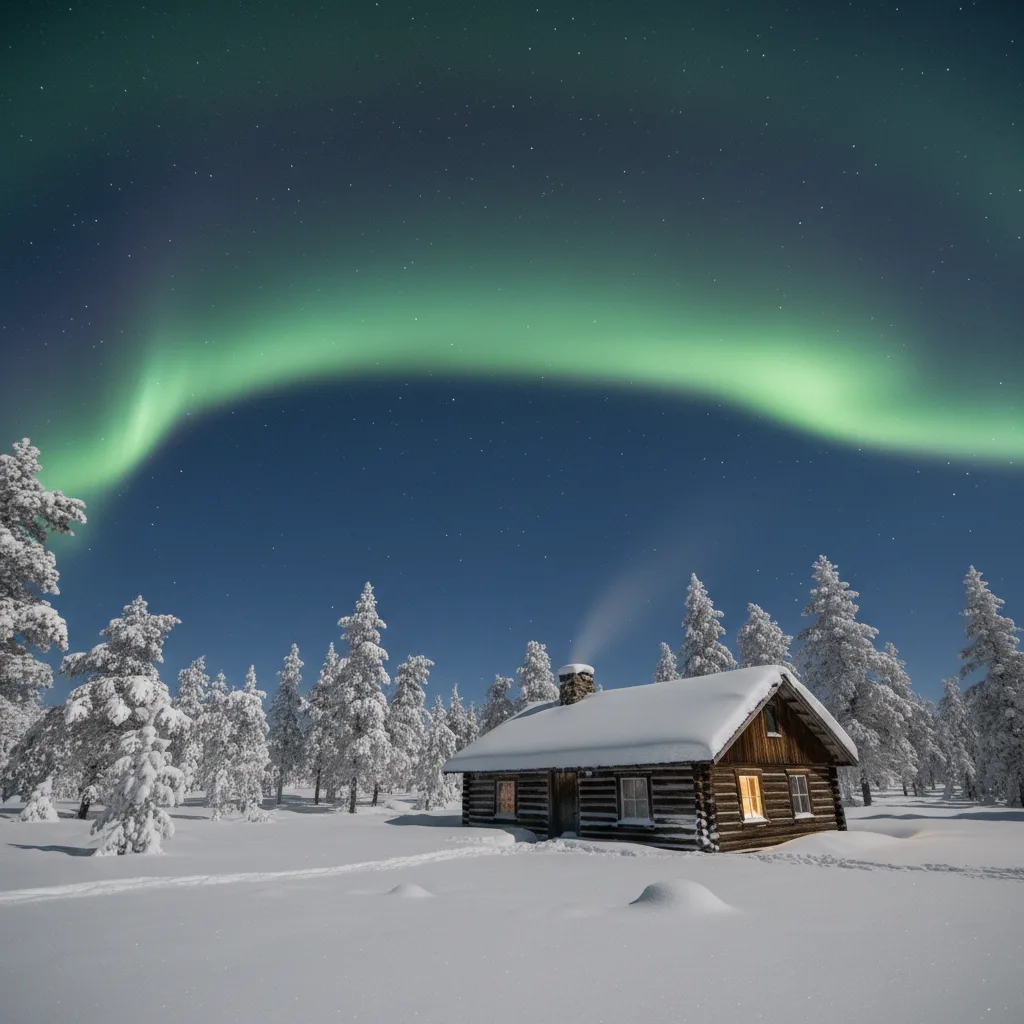
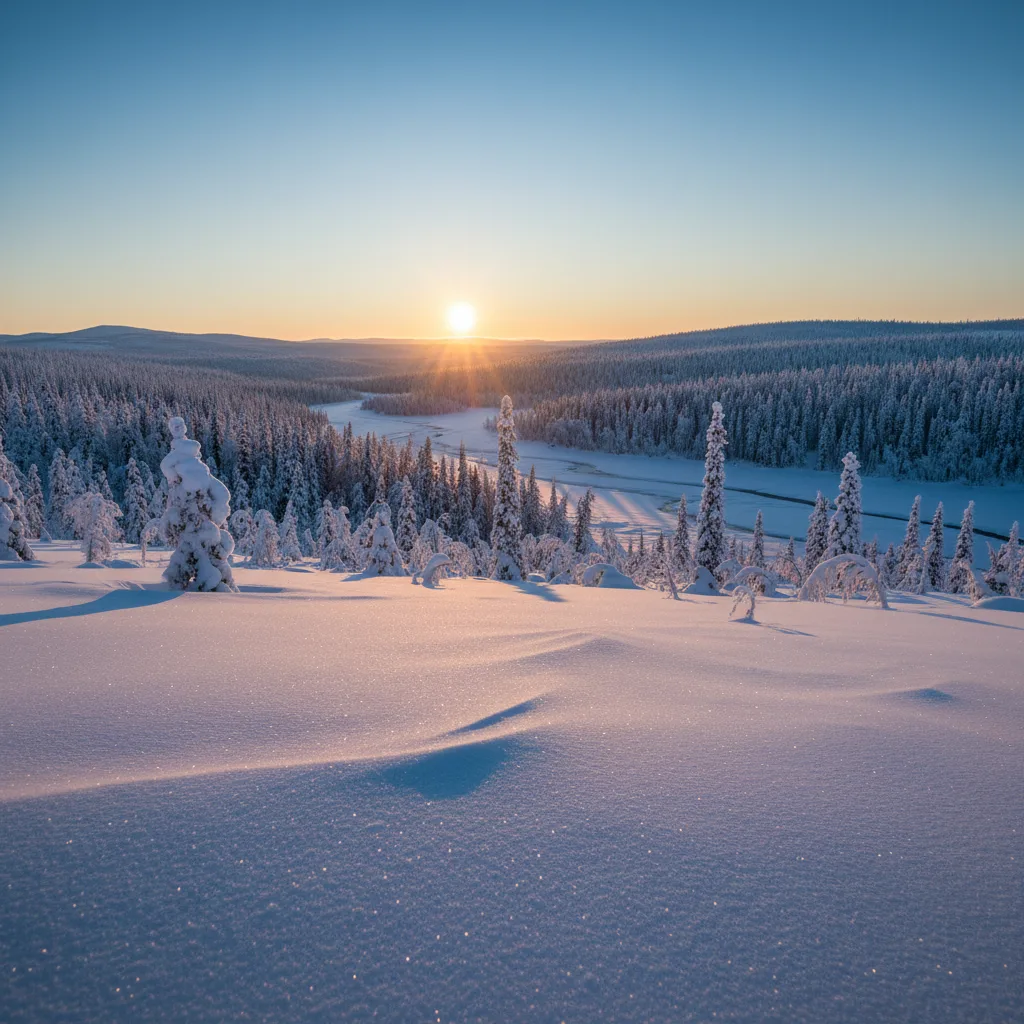
March has three things going for it that the other good months do not. First, daylight is already coming back so you can ski, dogsled, or hike during the day without losing aurora odds at night. Nights are still long enough that prime viewing from 11 p.m. to 2 a.m. sits squarely inside full darkness. Second, the weather starts to clear. The deep January arctic inversion breaks up, high pressure systems return, and you get more genuinely clear nights back to back. Third, temperatures climb. Fairbanks in mid-March often sits in the 10 to 25 Fahrenheit range at midnight, cold but manageable with a decent parka.
If you are planning your first Alaska trip and the aurora is the reason, target the first three weeks of March. Book three nights in the Fairbanks area, or split between Fairbanks and Chena Hot Springs, or add two nights at Coldfoot if you want the Brooks Range odds. Our aurora trip theme page lists the lodges we track for this season.
Latitude matters as much as month
The aurora sits in a ring called the auroral oval, centered on the geomagnetic pole. Within Alaska, Fairbanks sits close to the oval’s center on most active nights. Anchorage sits south of it by about 360 miles and 10 degrees of latitude, so it usually sees the aurora lower on the horizon. Coldfoot and Wiseman, above the Arctic Circle, sit under the oval on almost every active night.
That changes which months work where:
- Fairbanks and the interior: best from mid-September through early April. Late August can work but with short real-dark windows.
- Coldfoot and Wiseman: best from mid-September through early April, with the widest usable shoulder. Because latitude helps, the season edges are slightly longer than at Fairbanks.
- Anchorage and southcentral Alaska: narrower window. Late August to mid-September is the best pocket, thanks to longer nights returning before deep winter cloud cover. Mid-winter viewing is possible but needs Kp 5 or higher for the lights to reach overhead.
- Denali area: mid-September through early April, mostly limited to what lodges are open in the off-season. Many Denali lodges close mid-September when Denali Park Road service ends. Healy stays open year-round.
Solar cycle and Kp: how to read a forecast
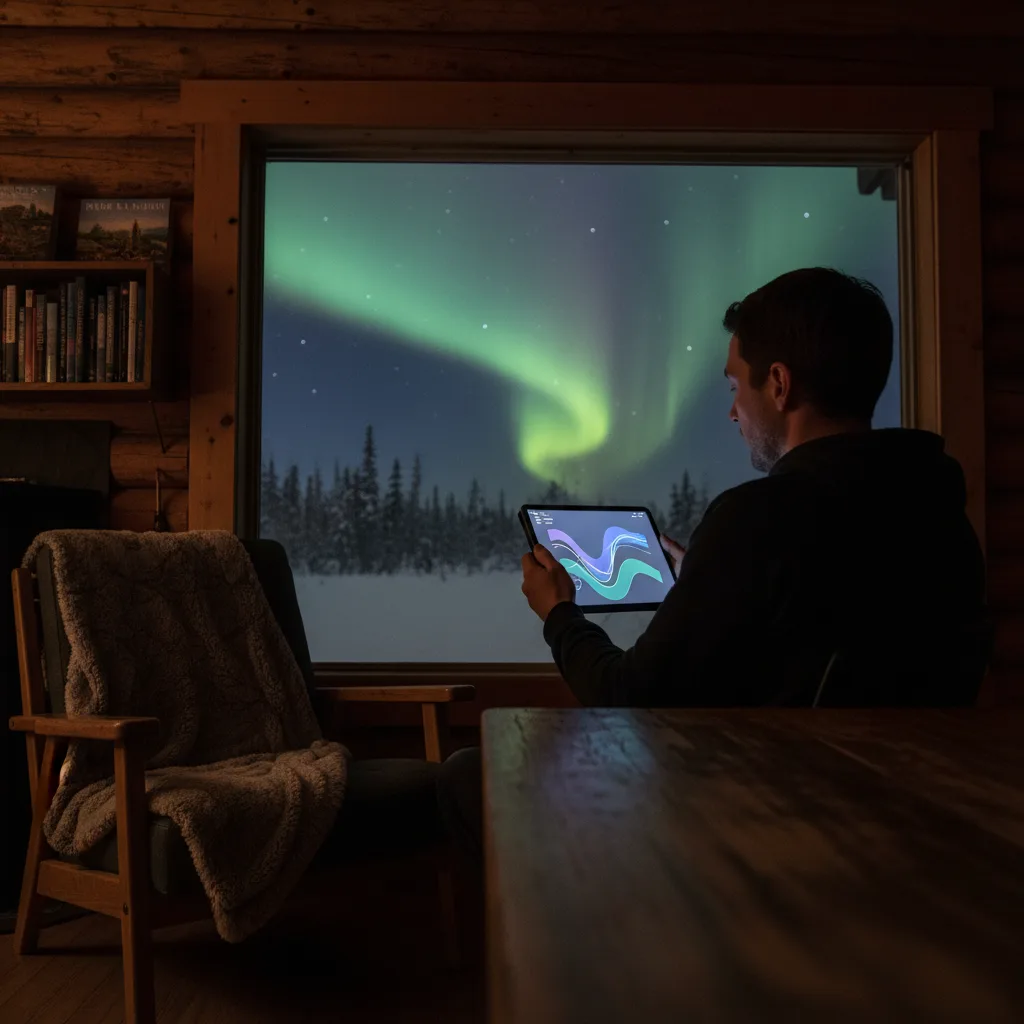
Aurora forecasting uses two numbers. The Kp index measures geomagnetic activity on a 0 to 9 scale, updated every three hours. The auroral oval’s visibility expands as Kp climbs. Kp 3 is usually sufficient for a confirmed overhead view at Fairbanks latitude. Kp 5 starts reaching Anchorage and the Chugach. Kp 7 and above are rare strong storms that have pulled the aurora as far south as Montana and Scotland.
The second piece is the solar cycle. The sun runs on roughly an 11-year cycle of activity, with solar maximum delivering more and stronger geomagnetic storms. The current cycle, Solar Cycle 25, peaked in 2024 to 2025 and remains active through the 2025 to 2026 viewing season, with higher-than-average aurora activity expected through at least early 2027. That means the cycle is on your side if you are planning a trip in the current window, and the likely drop-off is still two or three years out.
For day-of forecasting, the University of Alaska Fairbanks Geophysical Institute aurora forecast publishes a three-day Alaska-specific outlook. That is the canonical source. Phone apps that sell aurora alerts are repackaging this feed and NOAA space weather data.
Ready to book an aurora trip?
Compare the lodges we track across Fairbanks, Chena Hot Springs, the Brooks Range, and the Alaska Range.
See aurora lodgesPractical next step
Pick March if this is your first trip. Book three nights in the Fairbanks area. Add a Chena Hot Springs stop if you want a soak-and-watch night. Our Fairbanks area picks cover the practical lodging options. If March does not work for your calendar, fall back on late September or early October. Avoid trying to see the aurora in August by flying into Anchorage; the nights are not dark enough that far south.
FAQs
What is the single best month to see the northern lights in Alaska?
March. You get plenty of darkness for 11 p.m. to 2 a.m. viewing, clearer weather than deep winter, and temperatures cold but not extreme. Late September is a close second for first-time visitors who prefer milder weather.
When does the aurora season start and end in Alaska?
The season runs from late August through mid-April, with peak conditions from mid-September to late March. Between mid-May and early August, above Fairbanks latitude, the sky does not get dark enough to see the aurora even when it is physically there.
Is January a good month for aurora viewing in Alaska?
Yes for odds, but you must be ready for the cold. Fairbanks in January sits below zero most nights, and Coldfoot can drop to minus 40 Fahrenheit. The upside is the longest dark windows of the year and very clear skies on cold nights. Pack extreme cold weather gear or rent it locally.
How many nights should I plan for aurora viewing?
Three nights minimum in one region, all on the same aurora schedule. Three nights in Fairbanks gives about a 90 percent chance of a confirmed sighting in season. Two nights cuts your odds roughly in half because a single cloudy night removes half your attempts.
Are the northern lights still active during the 2025 to 2026 season?
Yes. Solar Cycle 25 peaked in 2024 to 2025 and the sun remains near its active phase through at least early 2027. Geomagnetic storm frequency is higher than the long-term average, and the aurora has been visible from wider-than-usual latitudes. The current window is one of the better viewing periods in the last decade.
What time of night should I be watching?
11 p.m. to 2 a.m. local time is the prime window in Alaska. That three-hour block sits inside true darkness in every part of the season, and the auroral oval is most active against the midnight side of the planet. Aurora shows before 10 p.m. or after 3 a.m. do happen but are the exception.
Can I see the aurora from Anchorage?
Sometimes, but not reliably. Anchorage sits south of the auroral oval, so the lights tend to sit low on the northern horizon. If the aurora is your main reason for coming to Alaska, fly through Anchorage and keep going north to Fairbanks or beyond. Anchorage works better as a shoulder-season catch in late August and early September.